 info@climair-project.eu



Image

ClimAIr Launches Its Newsletter to Share Project Progress, Insights and Resources
The ClimAIr project has launched its official newsletter, a new channel designed to keep stakeholders informed about the project’s progress, key developments, and available resources related to climate change, air pollution, and respiratory health. The newsletter offers readers a curated overview of the project’s activities and results to date, providing accessible and up-to-date information for policymakers, healthcare professionals, researchers, urban planners, environmental organisations, and other stakeholders interested in reducing pollution-related health risks.
Image
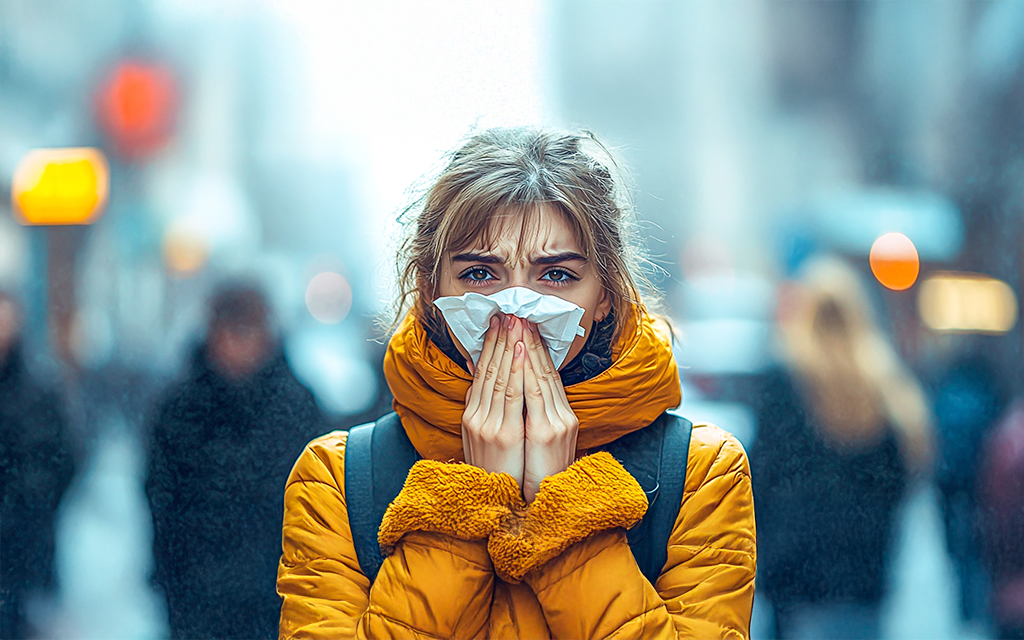
Generation of a Consensus Definition for Single & Multipollutant Exposure and Other Variables that Impact Airway Allergy Outcomes
This new report from the ClimAIr project marks a significant milestone in advancing our understanding of how environmental factors shape airway allergy outcomes. Focused on developing consensus definitions for single and multipollutant exposures, pollen, and climate conditions, this report provides a standardised framework for categorising patients. By harmonising these definitions, it creates a foundation for both clinical applications and AI-driven research, ultimately contributing to more precise strategies for preventing and managing respiratory diseases such as allergic rhinitis (AR) and asthma.
Image
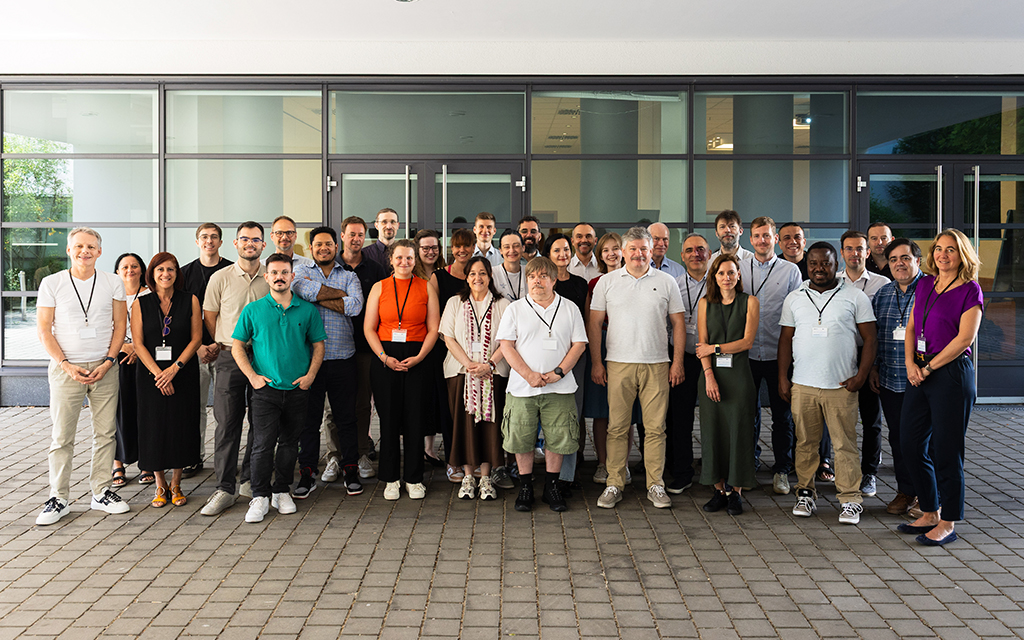
ClimAIr Project: Month 6 Progress Update
ClimAIr consortium partners recently convened in Munich, Germany, for the Month 6 General Assembly meeting—a key milestone marking the first half-year of project activities. The meeting provided an opportunity for all work packages to report on progress, share insights, and align future priorities. With this in mind, we take a closer look at the achievements, developments, and foundational work carried out during the first six months of the ClimAIr project.
Image

Federated Learning in ClimAIr: A Privacy-Preserving Approach to Data Integration & Analysis in Health & Environmental Research
Federated Learning is an emerging machine learning methodology that enables collaborative training of artificial intelligence (AI) models without the need to share or centralise sensitive data.
Image

EXPOHEALTHNET: A Collaborative Cluster Tackling Environmental Pollution and Health Risks
As environmental pollution and climate change continue to pose growing risks to human health, Europe is investing in cutting-edge research to understand and mitigate these challenges. EXPOHEALTHNET is a pioneering collaborative cluster that brings together seven Horizon Europe-funded projects—UPRISE, MARKOPOLO, ENACT, ENVESOME, EXPOSIGNALZ, EXPOSIM, and CLIMAIR—all dedicated to examining the intricate relationships between environmental stressors and non-communicable diseases (NCDs) such as respiratory, cardiovascular, and immune-mediated conditions.
Image

Integrating Climate, Pollution, and Health Data: The ClimAIr Approach
In the face of worsening climate change and rising air pollution, understanding their combined effects on public health has never been more urgent. The ClimAIr project addresses this challenge by integrating climate, pollution, and health data to provide a comprehensive perspective on environmental health risks and solutions.
Image

The Link Between Climate Change, Air Pollution, and Respiratory Health
Climate change and air pollution are intricately linked, posing significant threats to respiratory health worldwide. As global temperatures rise, the composition and distribution of airborne pollutants change, leading to an increase in respiratory diseases. Understanding this connection is crucial for developing effective strategies to protect public health.